Table of Contents
TogglePregnancy with Thyroid Problems: Is a Healthy Pregnancy Possible?
Discover how early diagnosis, proper thyroid management, and expert fertility guidance can help you prepare for a healthy pregnancy.
Pregnancy is a beautiful journey, but for women with thyroid problems, it can also bring concerns and uncertainty. Will thyroid problems affect my baby? Can I conceive naturally? Will I need medication throughout pregnancy? Can I have a healthy baby?
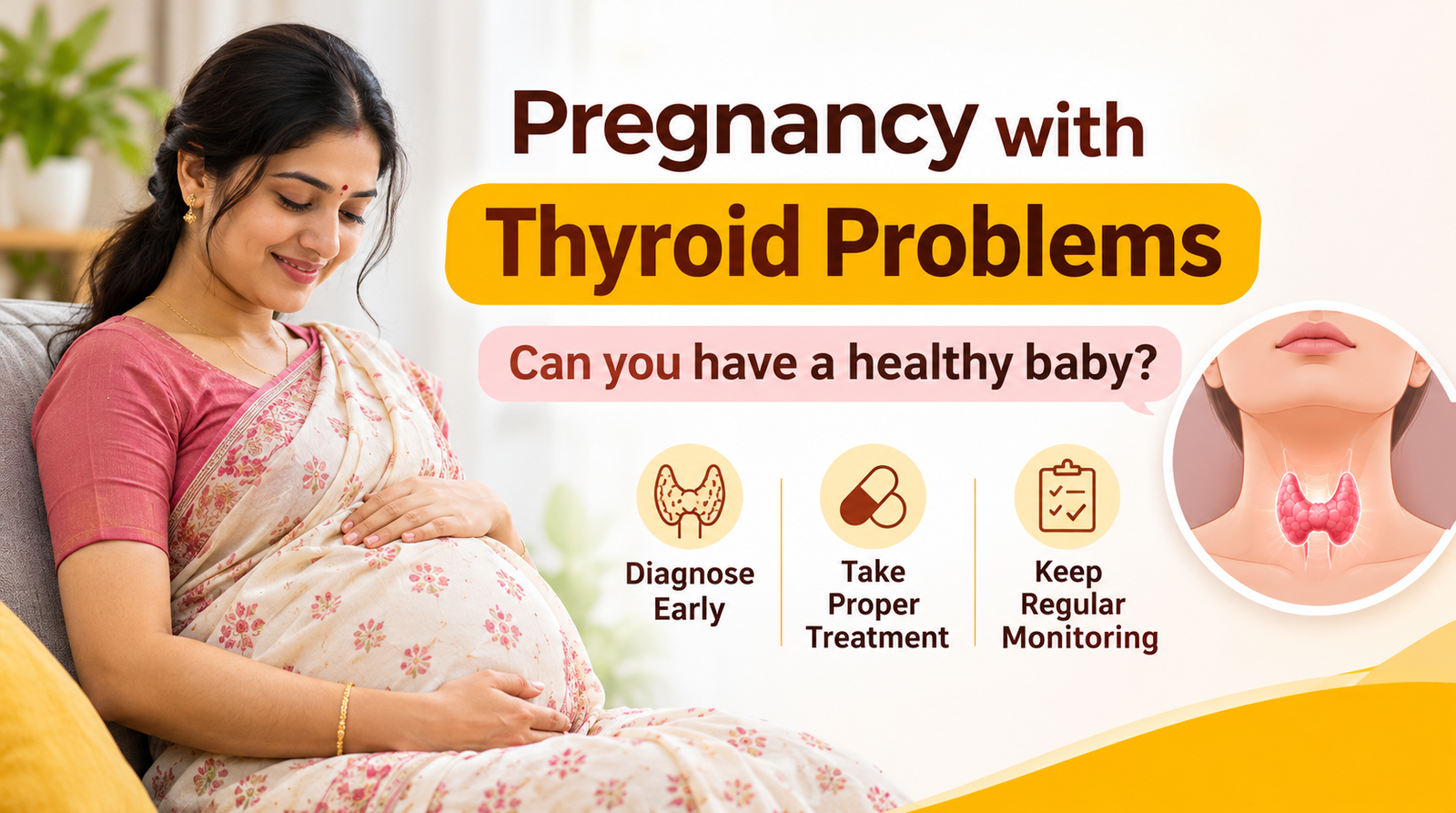
The reassuring news is that having a thyroid condition does not mean you cannot have a healthy pregnancy. With timely diagnosis, appropriate treatment, and regular monitoring, many women with thyroid disorders go on to have healthy pregnancies.
Understanding your thyroid health before conception and throughout pregnancy is an important step towards protecting your health and supporting your baby’s development.
What Is the Thyroid, and Why Is It Important During Pregnancy?
The thyroid is a small, butterfly-shaped gland located in the front of your neck. It produces hormones that regulate metabolism, energy levels, and several essential body functions.
During pregnancy, thyroid hormones play a vital role in the baby’s growth and development, particularly the development of the brain and nervous system during early pregnancy.
An imbalance in thyroid hormones may affect menstrual cycles, ovulation, fertility, and pregnancy outcomes if left untreated.
The two common thyroid conditions are:
-
Hypothyroidism: When the thyroid gland produces insufficient thyroid hormones.
-
Hyperthyroidism: When the thyroid gland produces excessive thyroid hormones.
Both conditions require proper evaluation and management, especially if you are planning to conceive or are already pregnant.
1. Hypothyroidism During Pregnancy: Don’t Ignore the Warning Signs
Hypothyroidism is a common thyroid condition in women of reproductive age. It occurs when the thyroid gland does not produce enough thyroid hormones to meet the body’s requirements.
Some women may have hypothyroidism before conception, while others may discover it during pregnancy.
Common symptoms of hypothyroidism
-
Persistent fatigue and weakness
-
Unexplained weight gain
-
Constipation
-
Dry skin and hair changes
-
Increased sensitivity to cold
-
Difficulty concentrating
-
Irregular menstrual cycles
Some of these symptoms can overlap with normal pregnancy changes, making thyroid blood tests important for accurate diagnosis.
What are the risks of untreated hypothyroidism?
Uncontrolled hypothyroidism during pregnancy may increase the risk of:
-
Miscarriage
-
Pregnancy-related high blood pressure
-
Preterm birth
-
Complications affecting fetal development
Early diagnosis and timely treatment are crucial. Your doctor may prescribe thyroid hormone replacement medication, such as levothyroxine, and recommend regular blood tests to ensure thyroid levels remain appropriate.
2. Hyperthyroidism in Pregnancy: Why Careful Monitoring Matters
Hyperthyroidism occurs when the thyroid gland produces too much thyroid hormone, causing the body’s metabolism to become excessively active.
Symptoms you should not overlook
-
Rapid heartbeat or palpitations
-
Excessive sweating
-
Feeling unusually hot
-
Tremors or shaking
-
Anxiety and restlessness
-
Unexplained weight loss
Uncontrolled hyperthyroidism may increase the risk of pregnancy complications, making timely medical attention essential.
Treatment depends on the cause, severity, thyroid hormone levels, and stage of pregnancy. Certain medications may be used under close medical supervision.
Never stop, start, or change thyroid medication without consulting your doctor.
3. Can Thyroid Problems Affect Your Fertility?
Yes. Thyroid hormone imbalance can interfere with reproductive hormones and may affect ovulation and menstrual regularity.
Women with thyroid dysfunction may experience:
-
Irregular periods
-
Ovulation problems
-
Difficulty conceiving
-
Reduced fertility
-
Increased risk of miscarriage in certain circumstances
If you have been trying to conceive without success, thyroid evaluation may be an important part of your fertility investigation.
Read more about fertility evaluation and treatment options at Janitva IVF Centre.
4. Which Thyroid Tests Are Important During Pregnancy?
Thyroid blood tests help your doctor understand whether your thyroid gland is functioning properly.
TSH (Thyroid Stimulating Hormone)
TSH helps assess thyroid function and is frequently used to guide thyroid treatment during pregnancy.
Free T4 (FT4)
Free T4 measures the available thyroid hormone circulating in your blood.
Depending on your medical history, your doctor may also recommend thyroid antibody tests to investigate the underlying cause of thyroid dysfunction.
Thyroid test results should be interpreted according to pregnancy-specific reference ranges, gestational age, and your individual medical history.
5. Can Thyroid Medication Be Taken Safely During Pregnancy?
This is one of the most common concerns among pregnant women.
Women with hypothyroidism are often prescribed levothyroxine to maintain adequate thyroid hormone levels. When medically indicated, this treatment is important because untreated thyroid hormone deficiency can pose risks to both the mother and the developing baby.
Thyroid hormone requirements can change during pregnancy. Some women may need a dosage adjustment after conception, which is why regular follow-up and blood tests are important.
If you are already taking thyroid medication and discover that you are pregnant, contact your treating doctor promptly.
Do not discontinue medication out of fear. Properly managed thyroid treatment is an important part of pregnancy care.
6. How Can You Prepare for Pregnancy If You Have a Thyroid Condition?
Planning ahead can help you begin pregnancy with better control of your thyroid condition.
Here are six essential steps:
1. Get a pre-pregnancy thyroid evaluation
Check your thyroid function before trying to conceive, especially if you have a known thyroid disorder.
2. Optimise your thyroid levels
Your doctor may adjust your medication to achieve appropriate thyroid hormone levels before conception.
3. Review your medication
Ensure your current medication and dosage are suitable for pregnancy planning.
4. Don’t ignore irregular periods
Irregular menstruation may indicate ovulation-related concerns and should be evaluated.
5. Attend regular follow-up appointments
Thyroid hormone requirements may change during pregnancy, making regular monitoring essential.
6. Seek fertility advice when needed
If conception is taking longer than expected, a comprehensive fertility evaluation can help identify other contributing factors.
Explore fertility consultation and treatment at Janitva IVF Centre.
7. Thyroid Problems Do Not Mean You Cannot Become a Mother
A thyroid diagnosis can feel overwhelming, especially when you are planning a pregnancy or have experienced previous pregnancy loss.
But it is important to remember that thyroid disease is often manageable, and many women with thyroid conditions have successful pregnancies.
Your pregnancy journey depends on more than thyroid levels. Age, ovulation, egg quality, sperm health, uterine health, and other medical factors may also play a role.
The right approach is to understand your condition, treat it appropriately, and receive personalised medical guidance.
Expert Guidance from Dr. Arpita Sarmah
Dr. Arpita Sarmah, Fertility Specialist & Director of Janitva IVF Centre, emphasises the importance of identifying and managing thyroid abnormalities in women who are planning pregnancy or experiencing fertility difficulties.
A proper fertility evaluation can help identify hormonal imbalances, assess reproductive health, and guide couples towards appropriate treatment options.
If you have thyroid problems, irregular periods, difficulty conceiving, or a history of miscarriage, seeking expert fertility advice may help you understand the next steps in your journey.
Learn more about fertility care at Janitva IVF Centre.
Frequently Asked Questions (FAQs)
Can I get pregnant naturally if I have hypothyroidism?
Yes. Many women with hypothyroidism conceive naturally, particularly when their thyroid hormone levels are appropriately managed. Fertility also depends on other reproductive factors.
Does thyroid cause miscarriage?
Uncontrolled thyroid dysfunction can increase the risk of miscarriage. Appropriate treatment and monitoring can help reduce associated risks.
Should I check TSH before planning pregnancy?
Thyroid testing may be recommended before conception, particularly if you have symptoms, a known thyroid condition, irregular periods, infertility, or a history of pregnancy loss.
Will I need to take thyroid medicine throughout pregnancy?
Some women require thyroid medication throughout pregnancy. Dosage and monitoring depend on the type of thyroid condition and individual test results. Never change medication without medical advice.
Can thyroid problems affect my baby’s brain development?
Severe untreated maternal thyroid hormone deficiency may affect fetal brain development. Appropriate treatment and monitoring are important, particularly during early pregnancy.
How often should thyroid levels be checked during pregnancy?
Testing frequency depends on your condition, medication, and pregnancy stage. Women being treated for hypothyroidism often require testing about every four weeks during the first half of pregnancy, with further monitoring guided by their doctor.
Take the Right Step Towards a Healthy Pregnancy
Thyroid problems should never be ignored when you are planning a pregnancy or already expecting a baby. Early evaluation, the right medication, and regular monitoring can help you manage your condition with greater confidence.
At Janitva IVF Centre, under the guidance of Dr. Arpita Sarmah, Fertility Specialist & Director, we believe every woman deserves personalised fertility guidance, compassionate care, and the right information to make confident decisions about her reproductive health.
If you have thyroid problems, irregular periods, difficulty conceiving, or a history of miscarriage, seek professional advice to understand your next steps.
Your journey to parenthood begins with the right care, the right guidance, and informed decisions.
Consult Janitva IVF Centre
Visit our website: Janitva IVF Centre
Contact Janitva IVF Centre for a fertility consultation
Medical Disclaimer: This article is for educational purposes only and is not a substitute for medical advice, diagnosis, or treatment. Thyroid management during pregnancy must be individualised by your treating doctor.